VOLUTES | BOUDOIR OR FUMOIR?
Smoking Room Scents
EVER SINCE SHE WAS TOLD THAT SMOKE WAS THE ENEMY OF HER FEMININITY, AND OF THE BEAUTY OF HER ANGELIC SKIN, SHE HAS GROWN INTOXICATED BY THE SMOKE OF OTHERS—INHALING IT BY CHANCE IN CONVERSATIONS AND DRAWING ROOMS. SHE BREATHES IT IN THROUGH HER MEMORIES LIKE THE SCENT OF SOMETHING FORBIDDEN, LACED WITH BITTERSWEET ACCENTS OF HONEY AND TAR, UNTIL THE NIGHT SHE AWAKENS IN THE TRAIL OF A MAN WHOSE HINTS OF PATCHOULI, LEATHER, AND TOBACCO PLUNGE HER INTO AN EMOTION SO UNSETTLING THAT SHE WILL SEEK BY EVERY MEANS TO CLAIM IT AS HER OWN.
NOT THE MAN. THE PERFUME.
Far from the floral, rice-powdered paths that lead to a reassuring vision of the feminine boudoir, women are going rogue in the wake of masculine fragrances evoking clandestine speakeasies of the Prohibition era.
Her boudoir takes on the air of a smoking room, appropriating the scents of gentlemen’s clubs—for real gentlemen—and outlining her lips in bold crimson. She wears men’s fragrances whose very names project her into devilishly masculine worlds, somewhere between the leather armchairs and cigars of a Havana hotel and an old Savile Row barbershop where ladies are rarely admitted.
She couldn’t care less—because by claiming olfactory notes so unfairly reserved for men for so long, she has never felt more like a woman.
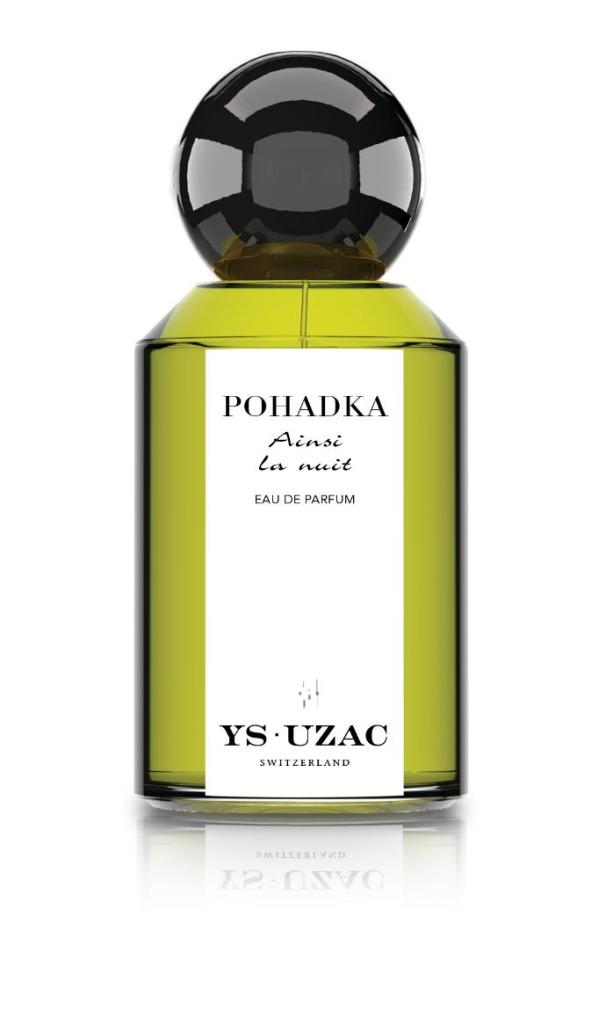
She discovers the incredible Pohadka, smiling as she watches women turn their heads as much as men when she passes by. In full command of her charms, she returns to Caron’s Tabac Blond, which stood as an invigorating tribute to women’s liberation in 1919, intoxicating daring garçonnes along the way. In George, the debut fragrance from Jardins d’Écrivains, she rediscovers all the eroticism of dandyism and the audacity of a woman who dared—long before the flappers of the twenties—to appropriate masculine codes and blend them with her own femininity. In fact, the more she wears it, the more she wonders about all the femininity left behind in the fragrances she had mistakenly reserved for men…
FEMININITY AND TOBACCO
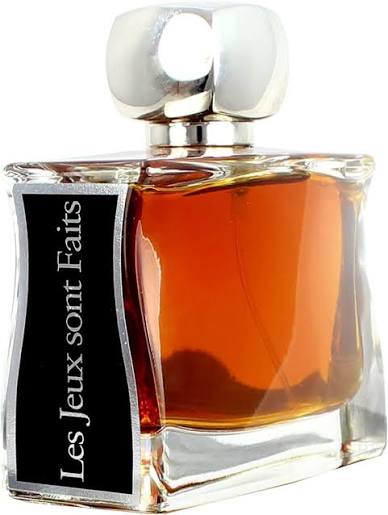
Les Jeux Sont Faits—such is the name of this juice, a true tribute to the virile icons of Michel Audiard’s films, to Les Tontons Flingueurs, gangster molls, and 1920s flappers playing with their cropped hair and cigarettes…
“For me, femininity and tobacco immediately evoke the 1920s,” says François Hénin of Jovoy Paris, reminding us that women long had to hide in order to smoke. “At first, it was in complete discretion that the aristocrat and the high-society woman smoked—and then, more provocatively, the 1920s garçonne.” Associated with intellectuals and women of the world, the cigarette gradually came to be seen as an elegant accessory in conversations among the social elite.
“Emancipation, freedom, elegance—to wear this fragrance, I picture slender women, slightly garçonne, with endless fingers between which infinite cigarette holders glow with a combustion as frantic as their appetite… for life!”
Today, the codes have shifted once again. Les jeux sont faits, rien ne va plus!
“ »When the Boudoir Embraces Smoking Room Scents »”
POINT-BLANK QUESTIONS
Three perfumers share the boudoir side of their smoking-room creations…
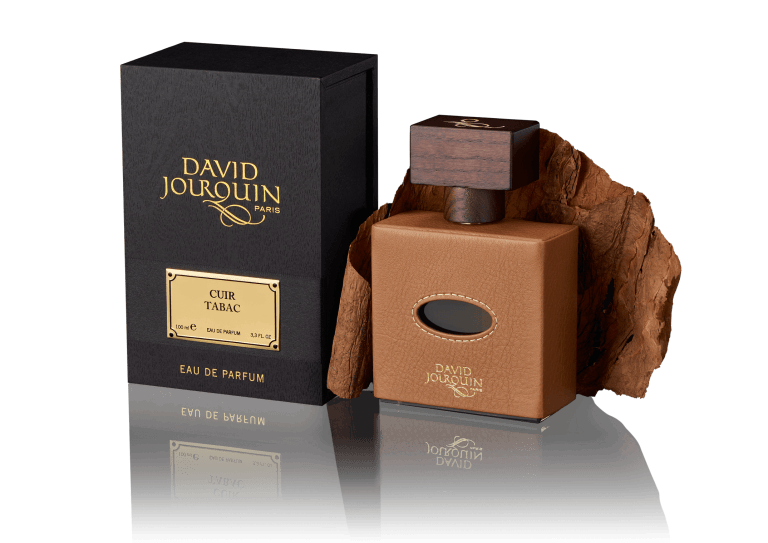
Does Cuir Tabac lend itself to being worn by women?
“Cuir Mandarine and Tabac, which are complementary fragrances, enjoy tremendous success among women. Those who wear them are armed with a sharp sense of elegance and outspokenness. They are generally powerful women in the business world—as if power were a second skin…”
— David Jourquin, creator of Cuir Tabac
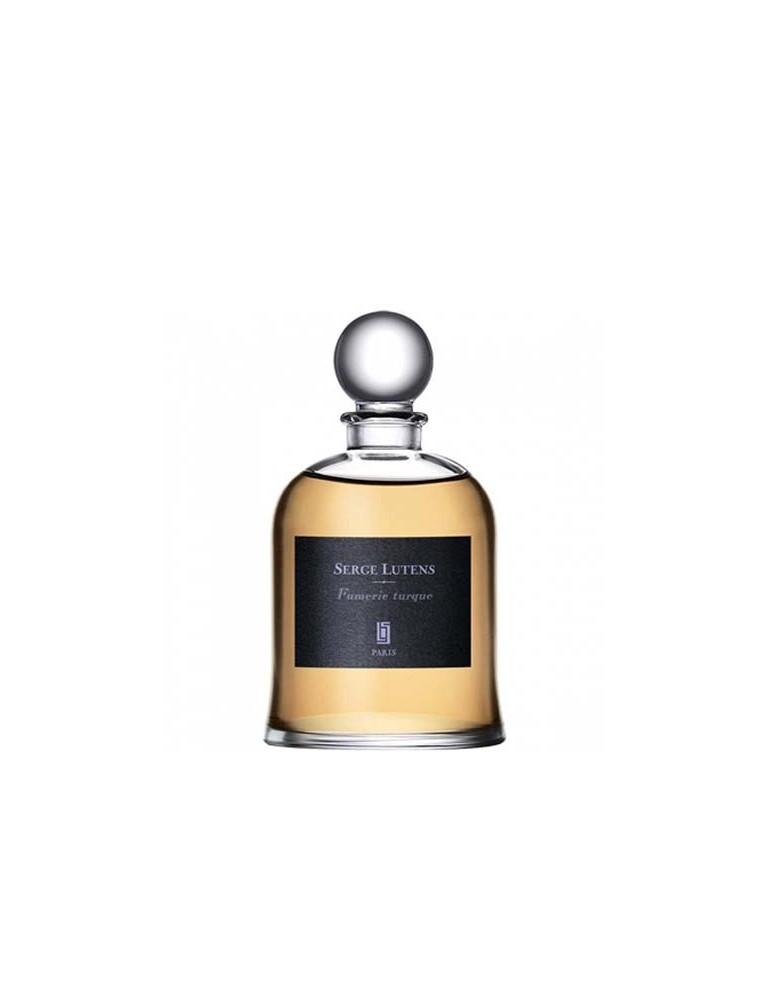
Who is the beautiful Furuzende, said to have inspired this smoking-room fragrance?
“She is a character discovered through my reading, whom I associate with a taste for the tulips that Turkish sultans bought at the very same price they were willing to pay for the passionate acquisition of a woman.”
— Serge Lutens, creator of Fumerie Turque
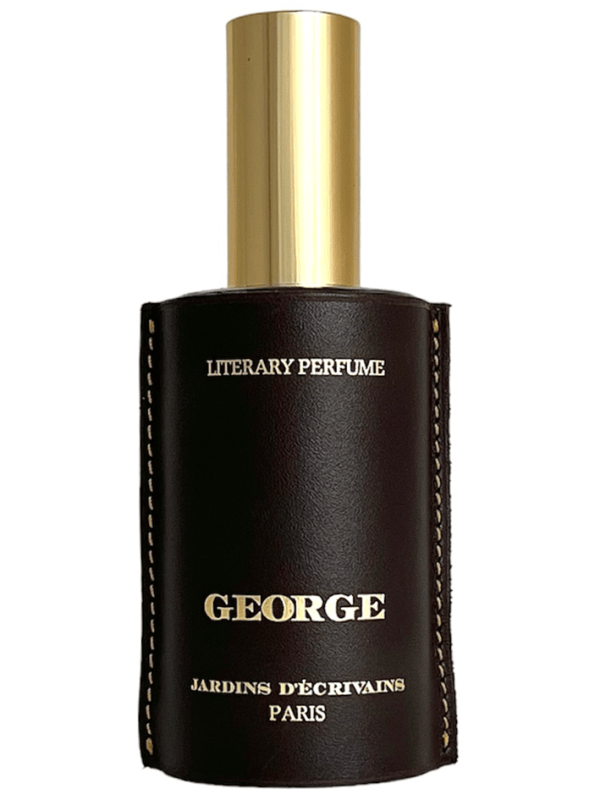
Your first perfume is named George and flirts with tobacco notes that leave us wondering whether they lead into a smoking room or a boudoir. Why this choice?
“This first perfume is named George in homage to George Sand. The poise of the cigar and her genuine taste for tobacco made George the most famous female smoker of her time. Tobacco was an integral part of her life, just like coffee—both were her late-night companions to help her write. I wanted a fragrance heavy with meaning, expressing the quest of this female role model who, paradoxically, claimed her femininity by appearing masculine.”
— Anaïs Biguine, creator of George

