La belle Rosea
La Belle was the first of Gaultier’s classic fragrances to blow away the corseted bottle design, offering naked, sensual curves instead. A liberated symbol of the first woman, she represented Gaultier’s vision of Eve. This summer, she returns as La Belle Rosea, the fourth temptation in the collection, appearing in an aquatic Garden of Eden.
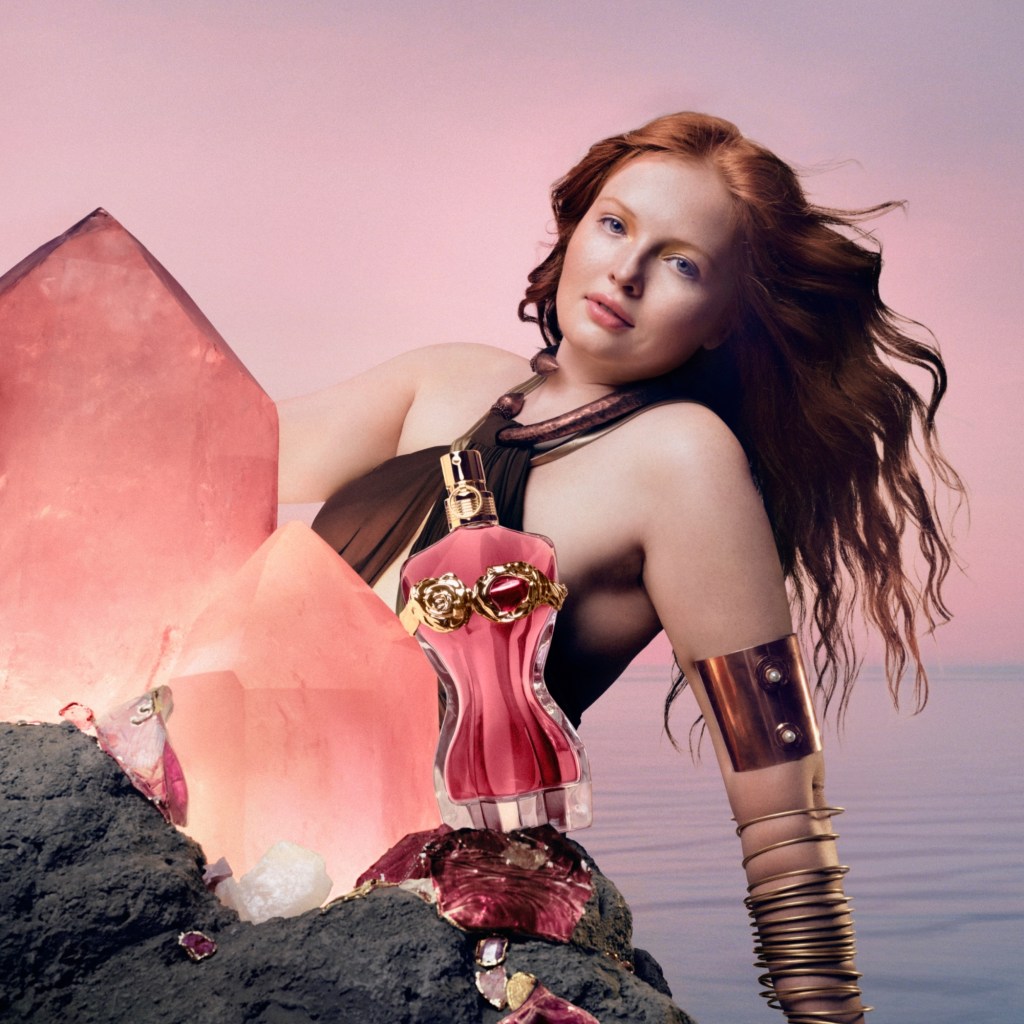
Embodied by American model and artist Tess McMillan, who has been taking social media by storm over the past few weeks, La Belle Rosea marks Gaultier’s return to redefining the codes of femininity. Meanwhile, his first high perfumery collection, Les Ateliers Gaultier, is launched as an olfactory statement of his decades-long impact on the fashion world, from ready-to-wear to haute couture collections.
Le Beau Narcisse and La Belle Rosea were created by perfumer Quentin Bisch, who was joined by Amélie Jacquin, one of the most interesting perfumers on the market today. With her enthusiastic spirit and genuine smile, Amélie creates compositions ranging from mainstream hits such as Splendid Vanilla for Roberto Cavalli to Rock the Myrrh for Dries Van Noten. This summer, she returns to share her vision of femininity through La Belle Rosea.
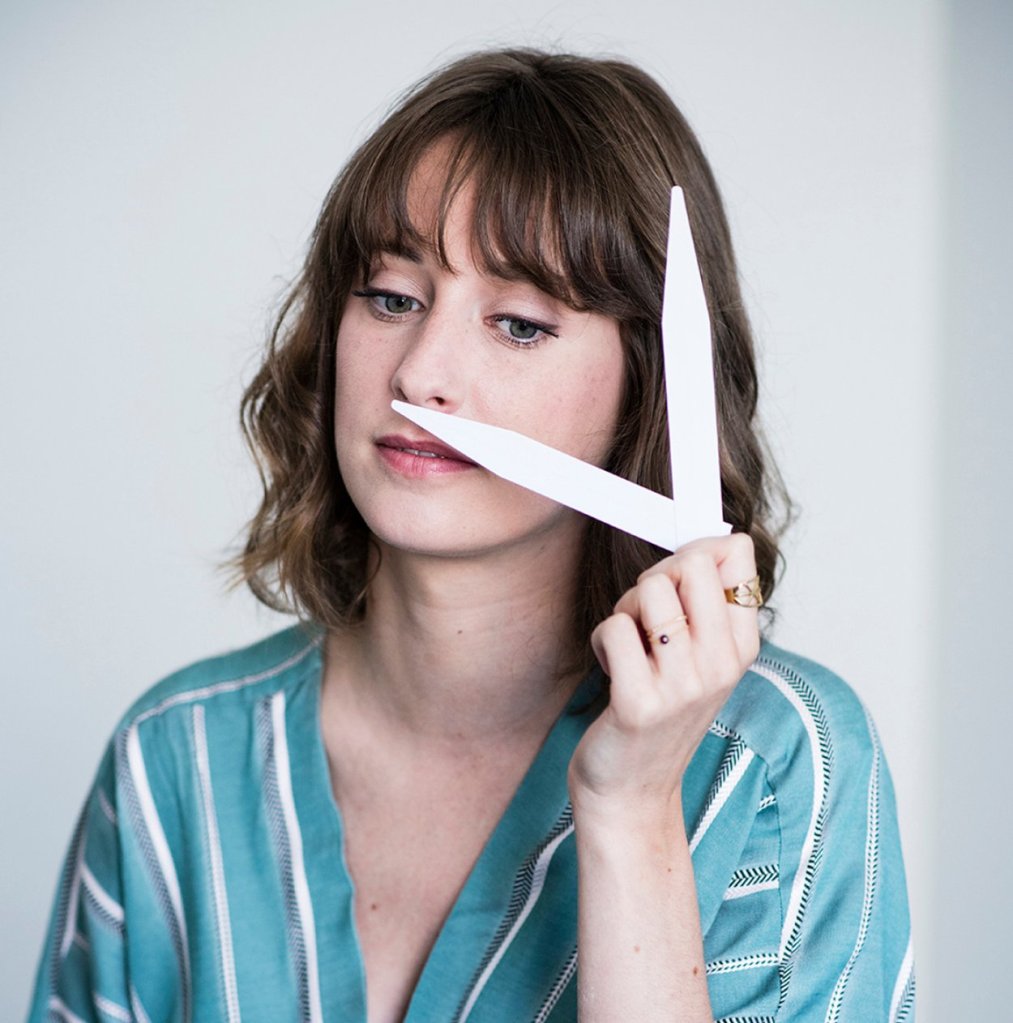
Dear Amélie,
Your recent creations demonstrate a true mastery of creating sensual accords that hit the mark.
It is crucial to infuse a fragrance with sensuality. This can be achieved using a variety of raw materials and accords that evoke pleasure. As perfumers, our goal is to bring pleasure to consumers. Sensuality is one way of doing just that. This marks a departure from the well-established trend of consumers seeking gourmand qualities in fragrance. We can use woods, incense — which I find very sensual — ambroxan and animalic notes, not to mention florals, which also contribute to sensuality.
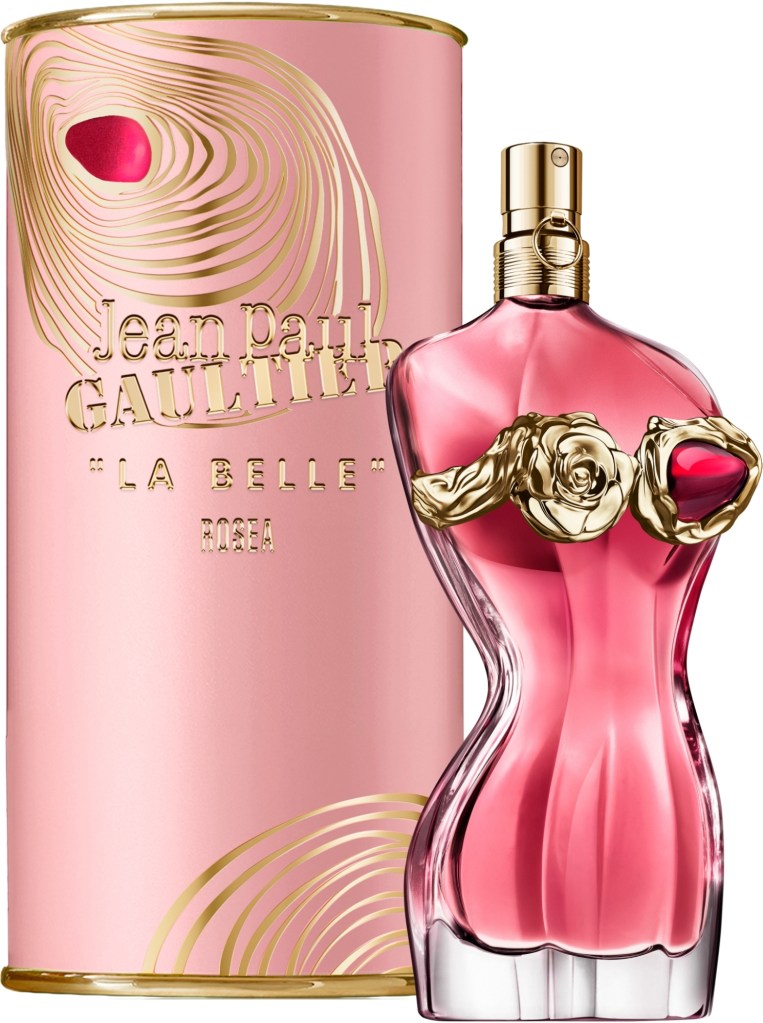
It was amidst these sensual paths that you created La Belle Rosea with perfumer Quentin Bisch. Who is this beautiful Rosea to you?
To me, she is a woman who is completely at ease with herself and has a very fresh quality. I really love the aquatic note that sets her apart. La Belle Rosea fully and effortlessly embraces that freshness and lightness. To create a contrasting accord that reveals her beauty, balancing aquatic and fruity elements, we worked on a slightly fruity, sensual peony note, paired with a fresh, watery note that is perfect for summer. However, we didn’t stop there; we took it a step further by crafting the peony to feel glossy and glamorous.
Quentin created La Belle and subsequently asked me to work with him on the flankers, so I am very familiar with the various iterations of La Belle. I began to understand her personality when I created La Belle Flower Edition. Natalie Cetto joined us for La Belle Rosea.
What similarities do you see between La Belle Flower Edition and La Belle Rosea?
They are both light, fun fragrances. I love the essence of this franchise — its spirit, its fruity character and its bold confidence. The briefs for La Belle always call for something luminous and radiant. For the Flower Edition, I enhanced the sensuality of the apricot note. For the original, Quentin Bisch and Sonia Constant worked with vanilla-infused pear. Starting with joyful, fruity, juicy notes, we move towards seduction to create lovely, elegant fragrances for a wide range of women, all of which are entirely in the spirit of Jean-Paul Gaultier.
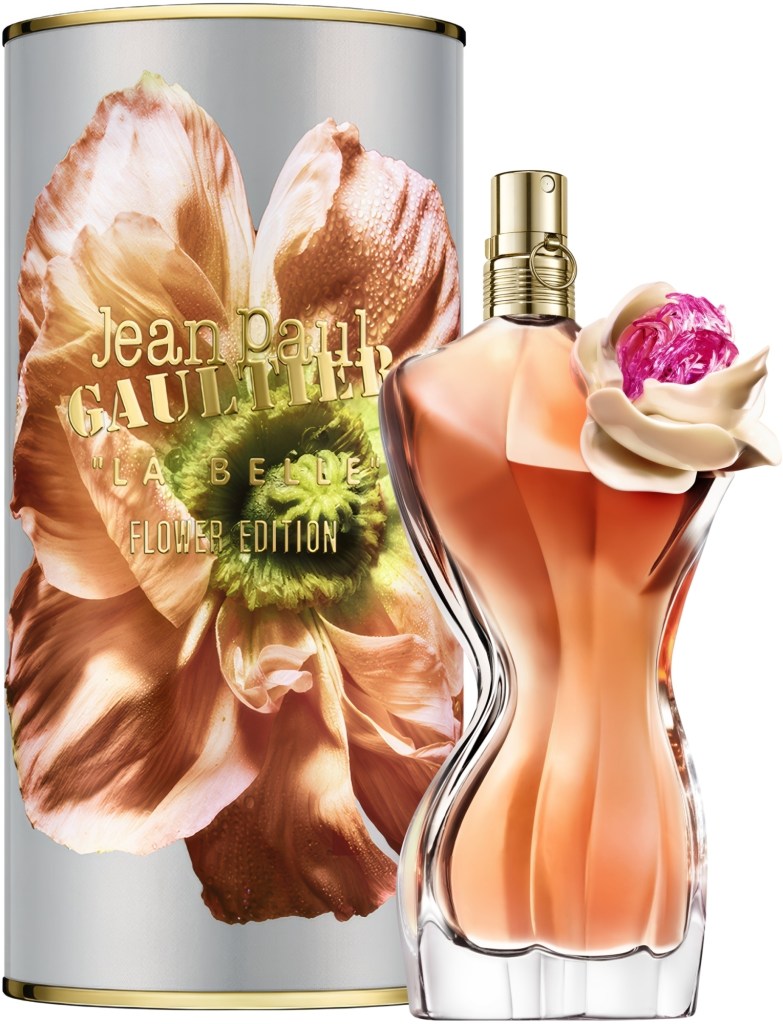
Fruit isn’t always considered sensual. However, it is becoming more and more popular in perfumery, bringing a sense of boldness, playfulness and a fresh, new kind of sensuality. Examples include the strawberry note in Balmain’s Destin, the juicy peach in the latest Louboutin fragrance and the apricot in Flower Edition.
Although I have worked extensively with oriental, vanilla-heavy notes, I am increasingly realising that fruit can also create a compelling and addictive quality. Fruit features in almost all prestige fragrances — and in many perfumes overall. Adding a touch of fruit evokes a sense of pleasure and sensuality. I find that fascinating. In La Belle Rosea, the peony note itself has fruity facets, but fruit isn’t the star attraction per se.
The way fruit is used in perfumery has evolved.
In the niche sector, many fragrances have recently paired fruit with noble, elegant ingredients. Tom Ford, for example, uses fruit in many of his perfumes, treating it in a highly interesting and sophisticated manner. Contemporary perfumers are less interested in replicating the natural scent of fruit than in combining it with another ingredient to create a new scent, such as pairing peach with osmanthus to give it a subtle leathery hint.
As I mentioned earlier, your fragrances offer a kind of ‘democratised’ sensuality. They strike the right balance, encouraging people to want to look and feel beautiful without going overboard.
A fragrance should evoke pleasure and a sense of well-being, striking a balance between reassurance and originality. Childhood-evoking, nostalgic scents are hugely popular right now, and fruit offers a unique dual potential: it can transport us back to early memories of orchards while pairing beautifully with more intense, sophisticated, and polarising notes.

