A Study of Light
Can light be given a scent? Is it the same from one region of the world to another? A conversation with perfumer Fabrice Pellegrin, who co-created Lumière, a new amber floral for Issey Miyake, with perfumer Marie Salamagne.
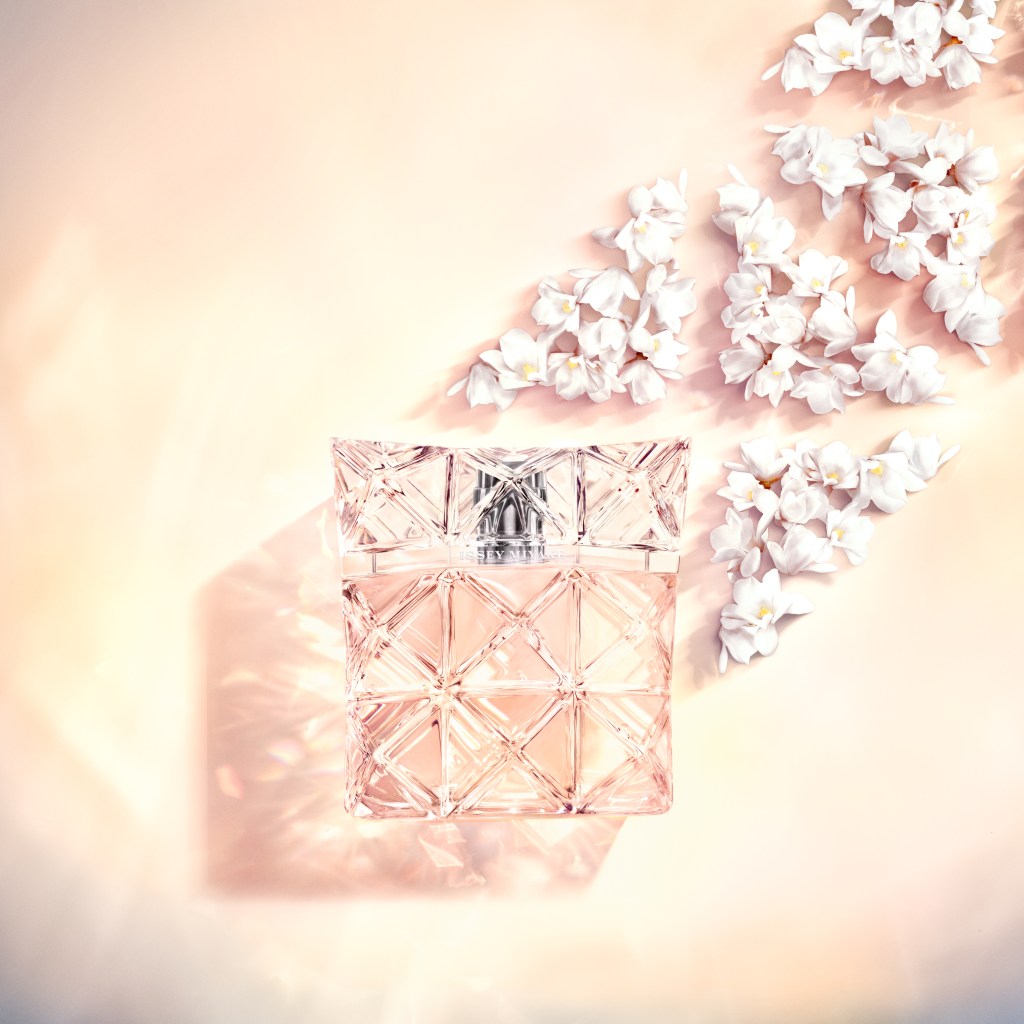
One January afternoon at the Louisiana Museum of Modern Art in Humlebaek, located 35 km north of Copenhagen. A milky light falls from the sky as it is snowing. Inside the museum, the light is softer, warm yet intimate. Through the large windows, overlooking the North Sea, so dark, and grey in winter, Fabrice Pellegrin, a Mediterranean perfumer, showcases his new fragrance for Issey Miyake. A perfume named Lumière, ‘light’ in French. Its luminous, milky opening transports you from the very first notes while simultaneously holding you within a cocoon. The brand’s promise to make you feel like you are wearing light is indeed achieved.
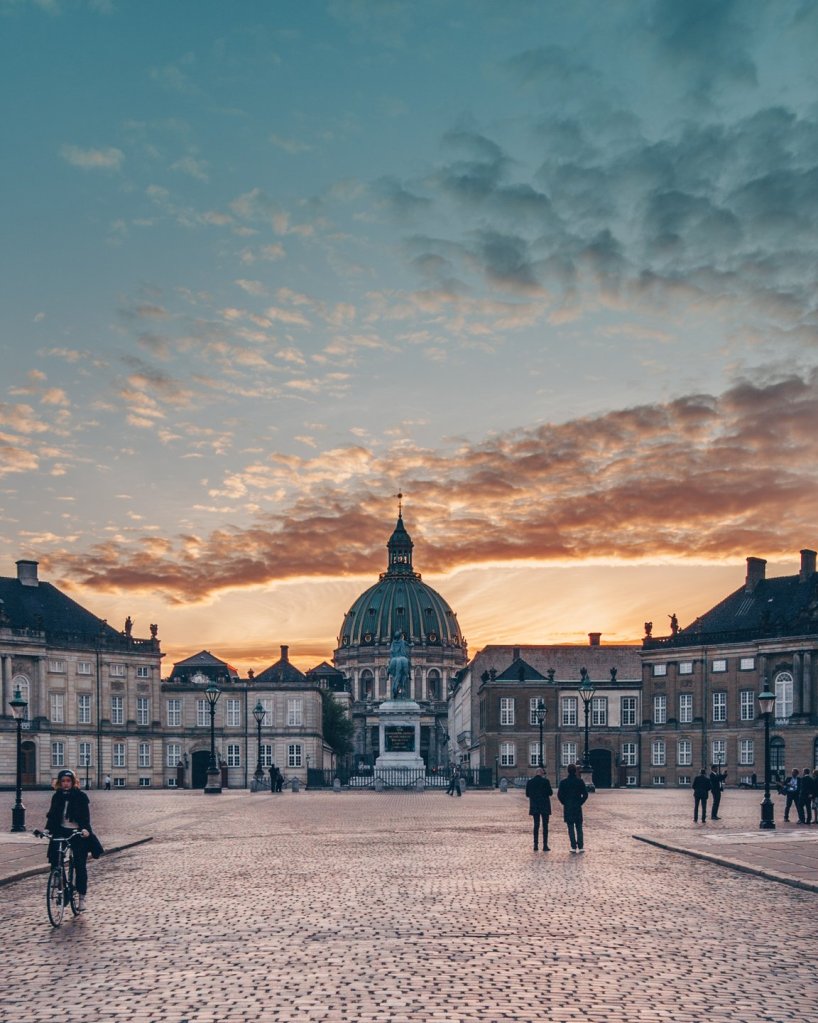
As the capital of hygge, Copenhagen is the perfect setting for Lumière, which shines softly against the backdrop of a cold sunset. Making the most of the daylight for a French perfumer presenting Lumière on a short winter’s day sounds challenging, especially when the North Sea is as dark as stormy clouds rolling in over the shore.
Snow keeps falling all around the building. The French perfumer cannot help but be captivated by the atmosphere. Born in Grasse, the city of perfumery, in the south of France, he embodies a Mediterranean spirit and lives under the year-round warmth of the Côte d’Azur sun. His accent has the same warmth. It’s clear that he is happy with his creation, the story that he wanted to translate into notes. Even his tan seems to match the fragrance’s hue. Fabrice is one of the most talented perfumers of his generation. He tells me that creating a story around natural light for Issey Miyake was ‘as simple as complicated’.
Issey Miyake’s olfactory DNA is to create fragrances inspired by natural elements. He started with water, creating L’Eau d’Issey (a French pun meaning ‘The Water from Issey’, but sounding like ‘an odyssey’), then moved on to fire and salt. Now, we are delving into the world of light. “We are still dealing with the beauties of nature,” notes Fabrice, “but ones that have no scent and must be interpreted by perfumers.”
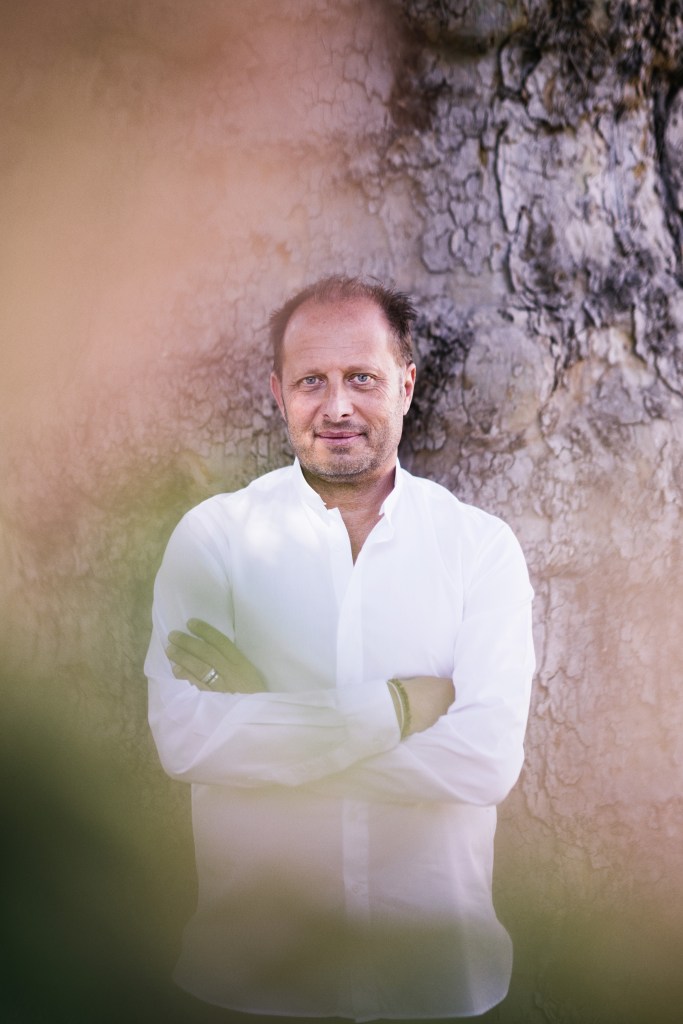
Such constraints do not stop Fabrice. He is as skilled in figurative perfumery as he is in abstract perfumery. ‘For Issey Miyake,’ he says, ‘we have to keep things very simple and minimalist, in a Japanese spirit.’ The work I did on Lumière followed that same approach. Before you start, you have to understand Issey Miyake’s values and brand DNA, which bear a strong Japanese imprint because every decision is made in Japan. So, it requires a kind of simplicity that is both simple and complex. It’s all in the details.’ Fabrice and I soon start discussing something called ‘simplexity’, a term coined by the Japanese designer Ora Ito. I cannot help but ask how a perfumer can work on an olfactory interpretation of light with ‘simplexity’.
“It remains just one perfumer’s interpretation — specifically mine,” says Fabrice. Obviously, every perfumer has a different vision. When I worked on this project, the idea was to capture the essence of light. As I am from the south of France, orange blossom was the scent that immediately evoked it for me. It is a radiant, sun-drenched flower that needs sunlight and warmth to grow and bloom.
So, I decided to make orange blossom the star ingredient. To really highlight that note, I paired it with green mandarin from Italy, which adds a sparkling, zesty touch to the fragrance. I noticed this reaction when presenting to the press, influencers and so on. We broke the scent down into its key ingredients, and whenever I let people smell the mandarin, their faces lit up and they started to smile.
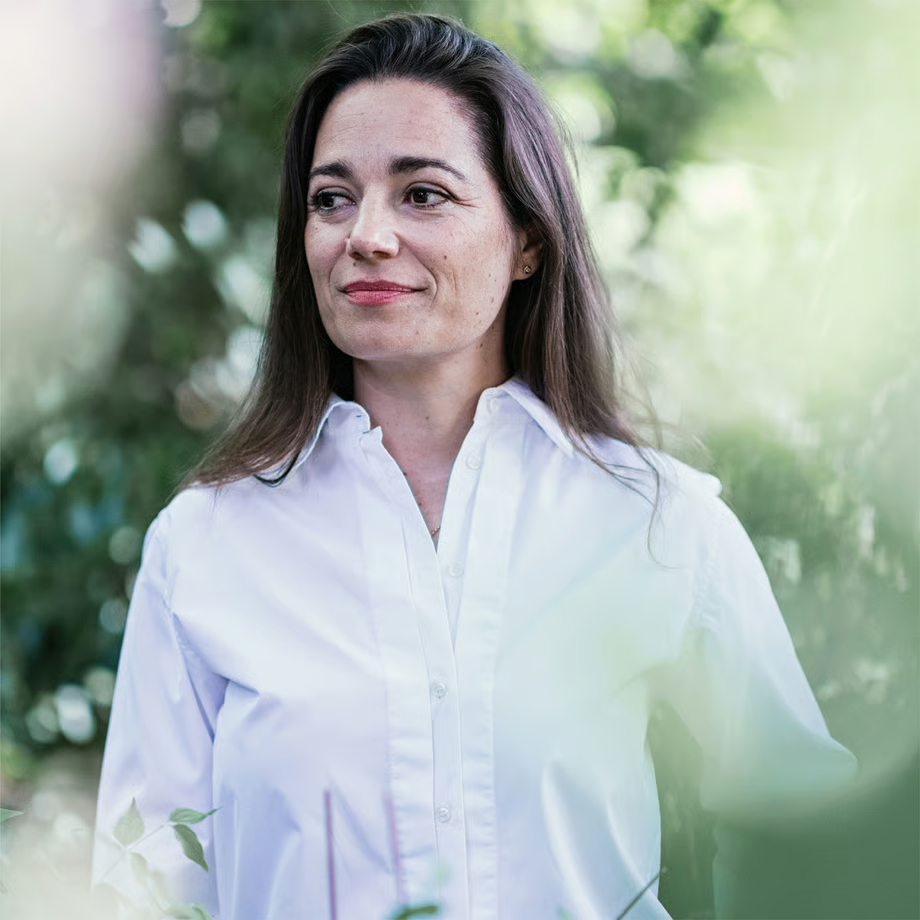
Starting with the amazing scent of mandarin, Fabrice worked with Marie Salamagne to create different light intensities using natural ingredients. “To me, mandarin represents a very white, sparkling and powerful light. The orange blossom, on the other hand, evokes a more solar, radiant and warm light, creating a sense of diffusion.For the base notes, we worked with pistachio wood to introduce a different kind of luminosity — something slightly darker or more subdued yet still luminous, which creates that addictive allure that feels so good.”
Isabelle Doyen, a perfumer who also teaches at ISIPCA (the French School of Perfumery), used to teach her students to use a reverse-indexed reference system. On one side were the ingredients listed alphabetically, and on the other were the evocations, feelings and images associated with them, along with all the ingredients that might conjure them up. I ask Fabrice if he has his own reference system for light. ‘Exactly. It’s a frame of reference unique to each perfumer — every perfumer has their own. As you learn about raw materials and how to smell, you develop a repertoire where you attach words, moments, people, colours and colour intensities. I work a lot based on the emotion a raw material evokes in me. When I smell mandarin, for example, I find it very cheerful, joyful and sparkling. Orange blossom, on the other hand, evokes golden-yellow tones and feels very sunny. Incense, on the other hand, conjures up something very white and mineral.”
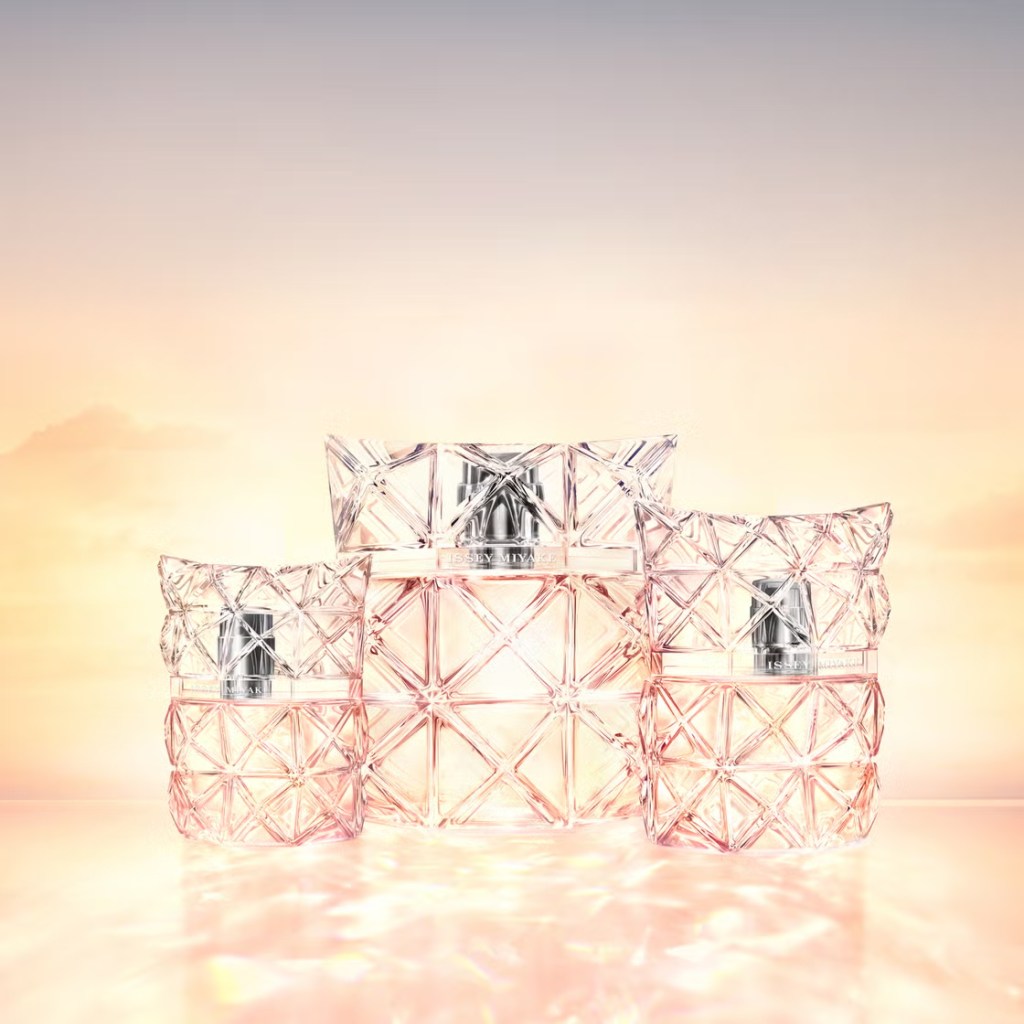
The interplay of light in this fragrance is incredible. « It’s more of a study in light, » explains Fabrice, « with varying intensities that allow you to truly delve into the depths of the scent. » I hesitate to call it gourmand, yet there is something more appetising and delicious about it that creates an addictive quality. It is a light that is… less dazzling. Slightly darker. It’s almost like a sunset. » Looking at the Danish sky, I wonder if we use the same lighting references in Japan as in Los Angeles or Paris, for instance.
Perfumers won’t be creating the same scents for them. This is even more true when we consider that the light intensity will differ. ‘It is therefore up to us to understand these varying intensities and use the most universal language possible so that everyone can step into the perfumer’s world and understand the fragrance.’ Fabrice came up with the initial concept for this fragrance. He started working on it and invited perfumer Marie Salamagne to collaborate with him. She shaped the orange blossom note to lend it a touch of femininity.
When I received the perfume and started exploring it, the song ‘Docteur, un jour je marierai un ange’ (Doctor, one day I’ll marry an angel; we’ll make love in the clouds) by the Belgian singer-songwriter Pierre de Maere was on my playlist. The fragrance truly came to life for me through those lyrics, as Lumière has that same softness and evokes a sensation of floating above it all. “I work with music a lot,” says Fabrice. “The first thing I do when I walk into my office in the morning is put on music. Even before I turn on my computer, I turn on the music. I don’t have a specific playlist, but I’m heavily influenced by Brazilian music because I lived in Brazil. I really love bossa nova. There are a lot of Brazilian sounds in my office.” I wonder if this helps to create the right mood. ‘Well, it’s rhythmic yet drawn-out at the same time. It evokes sunshine, the joy of living, happiness and pleasure. I really aim to tap into that vibe. I find that creating with a sense of pleasure stirs up beautiful emotions and results in beautiful fragrances. Creating out of suffering is harder.”
The rest of his inspiration comes from the south of France and his work at the Villa Botanica. “As I’m from Grasse, light is important to me. When people ask me how I manage living in Paris and if I miss the sea, I always reply, “It’s not the sea I miss; it’s the light.” The light in Paris isn’t the same as the light in Grasse. I need the blue southern sky and the constantly shifting light from morning to evening, which evolves to create brilliant tones at midday and orange hues at sunset. In fact, I worked extensively on Lumière for Issey Miyake in the south of France, at the Villa Botanica — a beautiful bastide on the Peyloubet hillside above Grasse. This remarkable 40,000-square-metre property features gardens and a creative studio designed by DSM-Firmenich, as well as breathtaking views of the mountains and sea. Our Mediterranean country house has gardens full of prestigious Provençal botanicals and greenhouses full of exotic natural ingredients from around the world, including Centifolia rose, mimosa, lavender, vetiver, cinnamon, patchouli and ylang-ylang. It’s the perfect place to find inspiration.
 Flannie